
Article: Best Coffee Beans for Espresso: How to Choose the Perfect Roast, Origin and Flavor
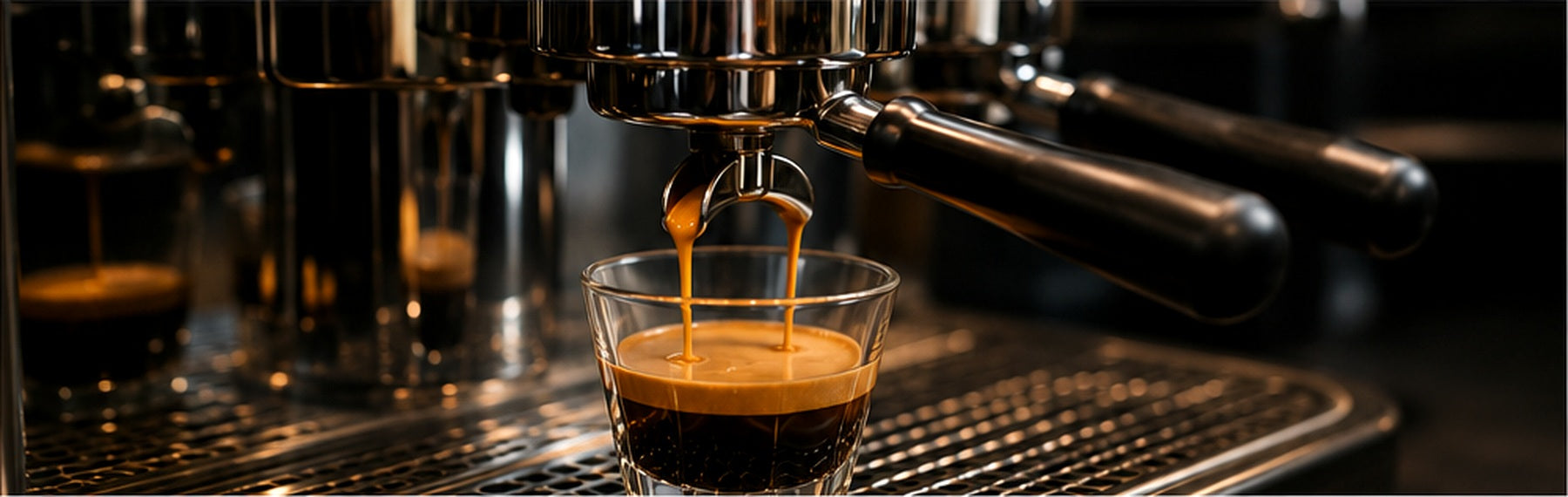
Best Coffee Beans for Espresso: How to Choose the Perfect Roast, Origin and Flavor

A great espresso should be concentrated, aromatic, and balanced. It should have enough sweetness to be enjoyable on its own, enough body to feel rich, and enough character to remain present when combined with milk.
But no single coffee bean is automatically the best choice for every espresso drinker.
Some people prefer a bright, modern espresso with fruit and citrus notes. Others want a smooth, balanced shot with caramel-like sweetness. Many espresso lovers prefer a deeper, chocolate-forward profile that works beautifully in cappuccinos and lattes.
The best coffee beans for espresso are the beans that match your preferred flavor, brewing equipment, and drink style.
In this guide, we explain what to look for when choosing espresso beans and compare three distinctive coffee origins: Colombia, Guatemala, and Bali.
What makes coffee beans good for espresso?
Espresso is not a specific type of coffee bean. It is a brewing method that uses pressure to force hot water through finely ground coffee.
Because espresso is highly concentrated, it reveals nearly everything about the coffee:
- Sweetness
- Acidity
- Body
- Aroma
- Roast development
- Freshness
- Grind consistency
- Brewing technique
A coffee that tastes subtle when prepared as drip coffee may become much more intense as espresso. That is why balance is so important.
Coffee beans that work well for espresso generally offer a combination of natural sweetness, sufficient body, balanced acidity, and a flavor profile you enjoy.
Natural sweetness
Sweetness helps create a smooth and satisfying shot. Depending on the coffee, that sweetness may remind you of brown sugar, molasses, ripe fruit, caramel, chocolate, or toffee.
Enough body
Body refers to how the coffee feels in your mouth. Espresso often benefits from a fuller, creamier, or syrupy texture.
Balanced acidity
Acidity can add brightness and complexity. However, excessive sharpness can make espresso taste sour when the grind or extraction is not properly adjusted.
A flavor profile you enjoy
There is no reason to choose a traditional dark and bitter coffee when you prefer fruit, sweetness, or chocolate. Your espresso should taste like something you look forward to drinking.
Is medium-roast coffee good for espresso?

Yes. Medium-roast coffee is an excellent choice for espresso because it can preserve the coffee’s origin character while also developing sweetness, body and balance.
A medium roast often gives espresso drinkers the best of both worlds:
- More flavor clarity than many very dark roasts
- More sweetness and body than many very light roasts
- Less burnt or smoky bitterness
- Enough structure for cappuccinos and lattes
- Greater versatility across multiple brewing methods
A dark roast can produce a bold and familiar espresso, but it may hide some of the coffee’s natural characteristics. A very light roast can be exciting and complex, but it may require more precise equipment and careful dialing in.
For many home espresso drinkers, a balanced medium roast is the most approachable place to start.
Whole bean or ground coffee for espresso?
Whole-bean coffee is usually the best choice when you have a capable burr grinder.
Espresso is extremely sensitive to grind size. Even a small adjustment can change the speed of the shot and dramatically affect its flavor.
Grinding immediately before brewing gives you more control over:
- Extraction time
- Shot flow
- Crema
- Sweetness
- Acidity
- Bitterness
- Overall balance
Pre-ground coffee is convenient, but it cannot be adjusted when your espresso machine, dose, humidity, or coffee age requires a different grind.
For the best results, purchase whole bean coffee and grind only the amount you need immediately before brewing.
How fresh should espresso beans be?
Freshness matters, but coffee does not always perform at its best immediately after roasting.
Freshly roasted coffee releases carbon dioxide for a period after roasting. When coffee is brewed too soon, the gas can make espresso harder to control.
As coffee rests, it often becomes easier to dial in, producing a more balanced shot. The ideal rest period varies by coffee, roast level, packaging, and brewing equipment.
Once opened, protect your coffee from:
- Heat
- Light
- Moisture
- Air
- Strong odors
Keep the bag tightly sealed and store it in a cool, dry cabinet. Avoid leaving coffee beside the stove or in direct sunlight.
Sexy Barista coffee is roasted in small batches and generally ships within 2–4 business days, helping customers receive coffee while it is still fresh.
Does coffee origin change the taste of espresso?
Absolutely.
Coffee origin influences flavor because each growing region has its own combination of climate, altitude, soil, coffee varieties, and processing traditions.
Roasting and brewing also matter, but origin can help you predict the general direction of the cup.
Here is how three distinctive origins can perform as espresso.
Colombian coffee for bright and balanced espresso
Colombian coffee is known for balance and versatility. Depending on the region and processing method, it can offer fruit, citrus, sweetness, and chocolate in the same cup.
Try Mamiami
Mamiami is a medium-roast Colombian coffee from the Sierra Nevada region with tasting notes that may include:
- Brown sugar
- Orange
- Raspberry
- Grapefruit
- Peach
- Chocolate
As an espresso, Mamiami is an excellent choice for someone who enjoys a brighter, more expressive shot without sacrificing sweetness or balance.
It can work especially well for:
- Straight espresso
- Americanos
- Cortados
- Espresso tonics
- Drinkers who enjoy fruit-forward coffee
Mamiami is the best choice when you want espresso that feels lively, elegant, and modern.
Guatemalan coffee for creamy and balanced espresso
Guatemalan coffees frequently combine brightness with body and sweetness. Coffees grown at higher elevations can develop excellent structure and complexity.
Try Cattivo
Cattivo is a medium-roast Guatemalan coffee from Huehuetenango with tasting notes that may include:
- Tangerine
- Golden raisin
- Toffee
- Creamy sweetness
Cattivo offers a versatile flavor profile that can perform beautifully as a straight shot or in milk-based drinks.
It is particularly well suited for:
- Espresso
- Cortados
- Cappuccinos
- Flat whites
- Lattes
- Drinkers who want balance rather than extreme brightness or heaviness
Cattivo is the strongest all-around choice for someone who wants one coffee that can handle almost every espresso drink.
Bali coffee for rich and chocolate-forward espresso
Coffee from Bali can deliver substantial body, earthy depth, and rich sweetness. Wet-hulled processing, which is commonly associated with Indonesian coffee, can contribute to a distinctive texture and flavor profile.
Try Loosey Goosey
Loosey Goosey is a medium-roast Bali coffee from the Kintamani Highlands with tasting notes that may include:
- Baker’s chocolate
- Cedar
- Molasses
- Vanilla
As espresso, Loosey Goosey can produce a deeper and more syrupy cup with plenty of presence.
It is especially appealing for:
- Double espresso
- Cappuccinos
- Lattes
- Spanish lattes
- Drinkers who prefer chocolate and molasses over bright fruit
Loosey Goosey is the best choice when you want a rich espresso that stays bold and flavorful even with milk.
Which Sexy Barista coffee is best for you?
Choose the coffee that best matches your preferred espresso style:
Bright, fruity, and lively: Mamiami
Creamy, balanced, and versatile: Cattivo
Rich, chocolate-forward, and syrupy: Loosey Goosey
Still undecided?
The Sexy Barista Discovery Set lets you experience all three origins and compare how each one tastes with your espresso machine.
You can also use our Find Your Coffee guide for a personalized recommendation.
How to dial in espresso at home

Even excellent coffee can taste disappointing when the espresso recipe is not properly adjusted.
Start with a consistent recipe and change only one variable at a time.
Use a scale
Measure both the amount of ground coffee placed into the portafilter and the amount of espresso produced in the cup.
Keep the dose consistent
Use a dose that matches the size of your filter basket. Avoid making large changes to the dose while also changing the grind.
Adjust the grind
When espresso flows too quickly and tastes thin or sour, grind finer.
When espresso flows too slowly and tastes harsh, dry, or bitter, grind coarser.
Distribute the coffee evenly
Uneven distribution can cause water to flow through weak areas of the coffee bed, resulting in an unbalanced shot.
Taste and adjust
Shot time is a useful guide, but flavor should make the final decision. The correct espresso recipe is the one that tastes balanced to you.
What coffee is best for cappuccino and latte?

Milk softens acidity and can reduce the intensity of delicate flavors. For milk drinks, choose coffee with enough sweetness and body to remain noticeable.
For a balanced cappuccino or latte, start with Cattivo.
For a deeper chocolate-and-molasses profile, choose Loosey Goosey.
For a brighter cortado or smaller milk drink where the coffee remains prominent, try Mamiami.
The amount and type of milk also matter. A cappuccino with less milk will preserve more coffee flavor than a large latte.
Frequently asked questions
Can regular coffee beans be used for espresso?
Yes. Any coffee bean can technically be brewed as espresso. The result depends on the roast, origin, freshness, grind, and brewing recipe.
Is dark roast always better for espresso?
No. Dark roast is traditional, but medium-roast coffee can provide excellent sweetness, body and flavor clarity without excessive bitterness.
Which coffee is easiest for a beginner to dial in?
A balanced medium roast is usually a practical starting point. Among the Sexy Barista coffees, Cattivo offers the most versatile all-around profile.
Which coffee is best for a chocolate-forward espresso?
Loosey Goosey is the strongest choice for drinkers who prefer baker’s chocolate, molasses and vanilla notes.
Which coffee is best for a fruity espresso?
Mamiami is the best match for a brighter espresso with citrus, peach, raspberry, and brown-sugar characteristics.
Find your perfect espresso
The best coffee beans for espresso depend on the flavor you want in the cup.
Choose:
- Mamiami for bright and fruit-forward espresso
- Cattivo for creamy balance and everyday versatility
- Loosey Goosey for rich chocolate, molasses, and body
Or experience all three with the Sexy Barista Discovery Set.
Because the perfect espresso should not only wake you up.
It should make the moment feel a little sexier.

Leave a comment
This site is protected by hCaptcha and the hCaptcha Privacy Policy and Terms of Service apply.