

Why Specialty Coffee Tastes Bitter: Fix Your Brew
Table of Contents
- Why Specialty Coffee Tastes Bitter: The Extraction Problem
- Bitter vs Sour Coffee Flavor Profile: How to Tell the Difference
- How to Adjust Grind Size for Coffee to Reduce Bitterness
- Best Water Temperature for Brewing Coffee Without Bitterness
- Brew Time, Coffee-to-Water Ratio, and Agitation
- Bean Freshness, Roast Profile, and Processing Methods
- Troubleshooting Bitter Coffee: A Step-by-Step Checklist
- Frequently Asked Questions
Last Updated: September 19, 2026
Why Specialty Coffee Tastes Bitter: The Extraction Problem
If your specialty coffee tastes bitter, the problem is almost always over-extraction. That means hot water pulled too many compounds out of the coffee grounds. You paid for a premium single-origin bag, and a small brewing mistake turned it harsh and dry.
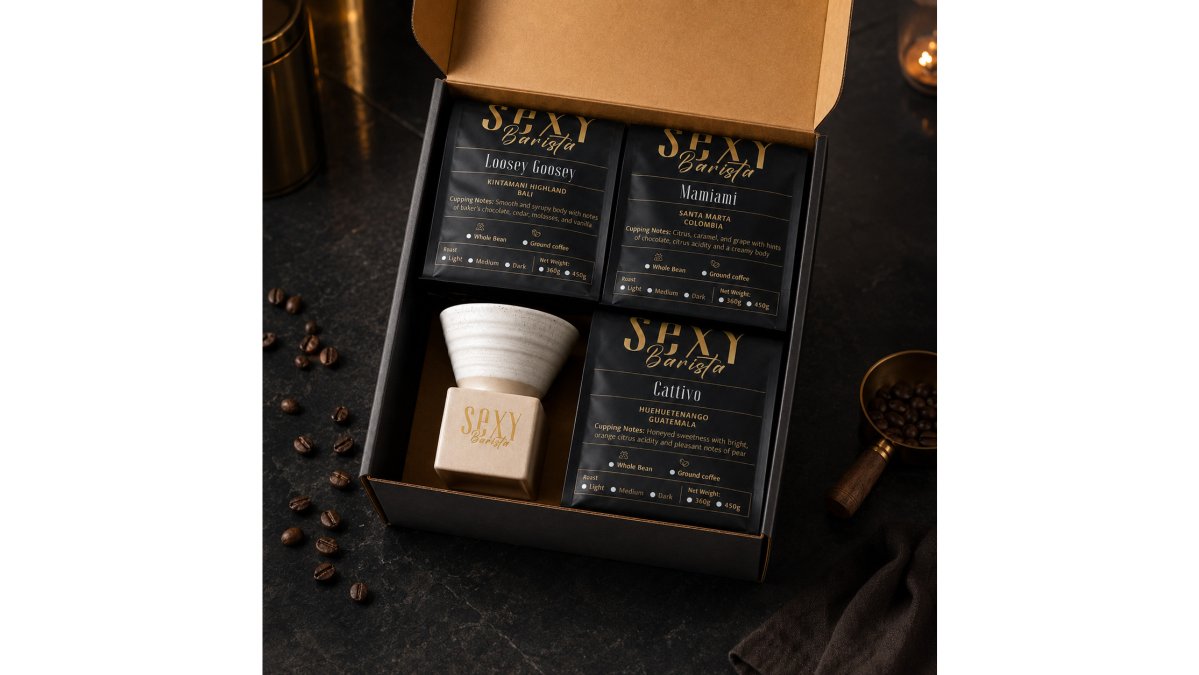
This guide from Sexy Barista breaks down what actually causes bitterness and how to fix it.

Over-Extraction vs. Under-Extraction
Over-extraction happens when water pulls too much from the grounds, and the result is bitter, dry, or hollow. Under-extraction happens when water pulls too little, leaving the cup sour, thin, and salty.
Bitter vs Sour Coffee Flavor Profile: How to Tell the Difference
Bitter and sour coffee feel completely different on your palate, and mixing them up sends you down the wrong fix. Sourness hits the sides of your tongue and tastes sharp or tart, like a green apple. Bitterness sits at the back of your throat and lingers, like dark chocolate or burnt toast.
Here's a quick way to separate them:
- Sour coffee: thin body, sharp finish, tastes underripe
- Bitter coffee: dry mouthfeel, harsh finish, tastes ashy or woody
- Both at once: uneven extraction, often from channeling
How to Adjust Grind Size for Coffee to Reduce Bitterness
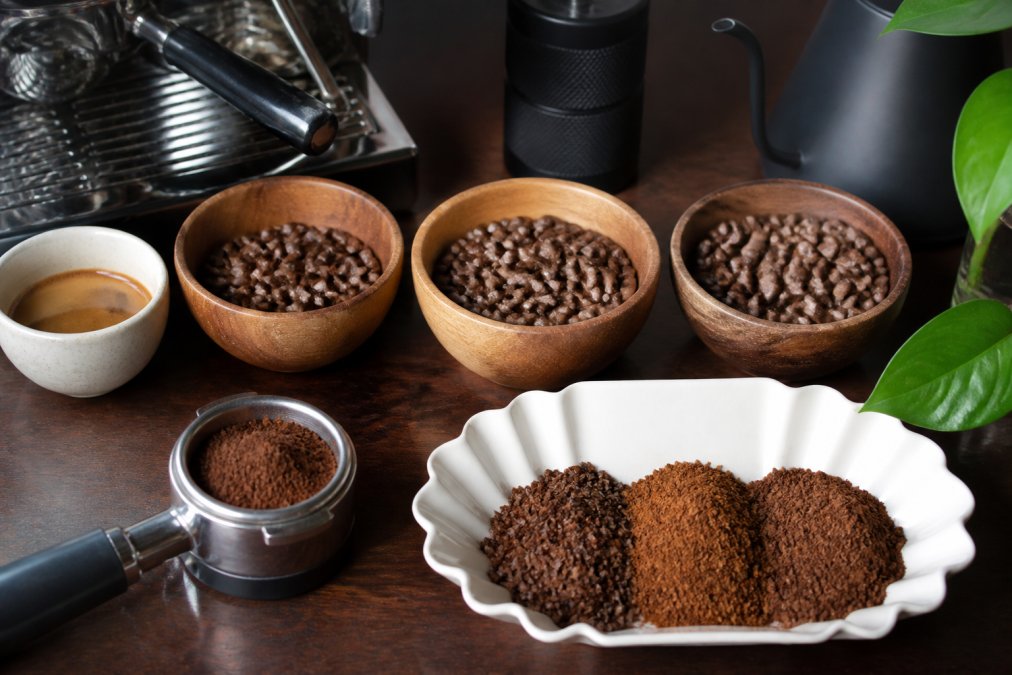
The fastest fix for bitter coffee is a coarser grind. When you grind coarser, water flows through faster and pulls fewer bitter compounds. This is the single most effective adjustment you can make.
- Note your current grinder setting.
- Move it two steps coarser.
- Brew a cup and taste it.
- If still bitter, go one more step coarser.
- If it turns sour, you went too far. Split the difference.
Burr Grinder Alignment and Fines
What most guides miss is grinder alignment. If your burrs are misaligned, you get fines, tiny dust-like particles that over-extract and turn bitter even when your setting looks correct.
Best Water Temperature for Brewing Coffee Without Bitterness
The best water temperature for brewing coffee is 195°F to 205°F. Water above 205°F scalds the grounds and pulls out harsh, bitter compounds fast. Water below 195°F under-extracts and leaves the cup sour.
Brew Time, Coffee-to-Water Ratio, and Agitation
Contact time, brew ratio, and agitation all control the same thing: how much soluble material water pulls from the grounds. Push any of them too far and you cross from balanced sweetness into bitter, drying tannins. The trick is understanding that these three variables are linked, change one and the others shift with it.
Contact Time Targets by Brewer
There is no single correct brew time. Each method has a window where extraction lands in the sweet spot:
- Pour-over (V60, Chemex): 2:30 to 3:30 total, including the bloom
- French press: 4:00 steep, then press slowly over 30 seconds
- AeroPress: 1:30 to 2:30 depending on grind and recipe
- Drip machine: 4:00 to 6:00 for a full batch
- Espresso: 25 to 30 seconds for a 1:2 ratio shot
The Coffee-to-Water Ratio, Explained
The standard starting point is 1:15 to 1:17 by weight, one gram of coffee to 15 to 17 grams of water. That translates to roughly 60 grams of coffee per liter of water. A stronger ratio (1:15) extracts more per sip and can taste bitter faster; a weaker ratio (1:17) is more forgiving but can taste thin if the grind is off.
How Agitation Changes Extraction
Agitation, stirring, swirling, or a turbulent pour, increases the surface area of coffee that contacts fresh water. More contact means faster extraction. A gentle swirl during the bloom helps saturate the grounds evenly. A hard stir mid-brew, especially with a fine grind, can spike extraction and drag out bitter compounds in seconds.
The Extraction-Yield Angle Most Guides Skip
What actually determines bitterness is extraction yield, the percentage of the coffee's dry mass that dissolves into your cup. Most practitioners find the ideal window sits around 18% to 22%. Below 18% the cup tastes sour and thin; above 22% it turns bitter and dry. This is the number your grind, time, ratio, and agitation are all fighting to hit.
Quick reference for common fixes:
| Problem | Likely Cause | Fix |
|---|---|---|
| Bitter, dry | Over-extraction (yield above 22%) | Grind coarser |
| Sour, thin | Under-extraction (yield below 18%) | Grind finer |
| Bitter and sour | Channeling | Level the bed, slow the pour |
| Ashy, burnt | Water too hot | Let kettle cool 60 seconds |
| Weak but bitter | Too little coffee, too much time | Tighten ratio, shorten brew |
Bean Freshness, Roast Profile, and Processing Methods
Brewing is only half the bitterness story. The bean itself arrives with a bitterness ceiling set by how it was processed, how it was roasted, and how long it has sat on your shelf. No grind adjustment can rescue a bean that was roasted into charcoal or processed in a way that amplifies harsh compounds.
How Processing Methods Shape Bitterness
Processing is how the fruit is stripped from the seed after harvest, and it changes the bean's chemistry before roasting even begins.
- Washed (wet) process: The fruit is removed before drying. The result is a cleaner, brighter cup with higher perceived acidity and lower bitterness. Washed beans are the most predictable to brew because their flavor profile is narrow and consistent.
- Natural (dry) process: The cherry dries around the seed. The bean absorbs sugars and fruit compounds from the fruit, producing a sweeter, heavier, more fermented cup. Naturals can taste fruit-forward, but if fermentation runs too long they develop boozy, funky, or harsh notes that read as bitter on the palate.
- Honey process: Some fruit mucilage is left on during drying. It sits between washed and natural, sweeter than washed, cleaner than natural. Bitterness depends heavily on how much mucilage was left and how the drying was managed.
- Anaerobic / experimental: Fermentation in sealed tanks. These can produce intense, wine-like cups, but they are also the most likely to carry off-flavors that taste bitter or medicinal if the process was not controlled.
Roast Profile and Bitterness Development
Roasting develops flavor through Maillard reactions and caramelization. The longer and darker the roast, the more those reactions push toward bitter, smoky, and ashy compounds.
- Light roast: Highest acidity, lowest bitterness, but also the hardest to extract evenly. Under-extraction is the common failure here.
- Medium roast: The balance point. Solubility is high enough to extract evenly, and bitterness stays in check.
- Dark roast: Oils migrate to the surface, solubility is high, and bitter, smoky notes dominate. Dark roasts are far easier to over-extract because the compounds come out fast.
Freshness: The Degassing Window
Freshly roasted coffee releases carbon dioxide for days after roasting. That gas interferes with extraction, it repels water and creates uneven saturation. This is why a bean roasted yesterday can taste sour or flat no matter what you do.
The practical window:
- Days 1-3 after roast: Too fresh. Let it rest.
- Days 4-14: Peak flavor for most beans. This is when your recipe dialing matters most.
- Days 15-30: Still good, but aromatics fade and the bean starts to stale.
- Past 30 days: Flat, papery, and increasingly bitter as oxidation compounds build.
A Unique Angle: Match Your Recipe to the Processing Method
Most guides treat processing as a flavor footnote. In practice, it should change how you brew. Natural and honey-processed beans often benefit from a slightly coarser grind and a shorter contact time, because their higher sugar content extracts faster and tips into bitterness sooner. Washed beans tolerate a finer grind and longer brew because their cleaner chemistry has more room before bitterness takes over.
Troubleshooting Bitter Coffee: A Step-by-Step Checklist
Work through this checklist in order, and change only one thing at a time. That way you know what actually fixed it.
- Check the roast date. Skip anything roasted more than a month ago.
- Weigh your coffee and water. Aim for a 1:15 to 1:17 ratio.
- Drop your water temperature to 195°F to 205°F.
- Grind two steps coarser and re-taste.
- Reduce agitation. Pour gently and skip the extra stir.
- Clean your grinder to cut down on fines.
- Shorten brew time by 15 to 30 seconds.
Frequently Asked Questions
How to fix coffee that tastes bitter?
Start by coarsening your grind size. If bitterness persists, lower your water temperature to 195-200°F and shorten brew time. Check your coffee-to-water ratio, using 1:15 to 1:17. Also, ensure your beans are fresh and your grinder burrs are aligned. Small adjustments make a big difference.
Is it normal for coffee to taste bitter?
Some bitterness is normal in coffee due to compounds like chlorogenic acid and tannins. But overwhelming bitterness signals over-extraction. If your specialty coffee tastes harsh or astringent, adjust grind size, water temperature, or brew time. A balanced cup should have sweetness and acidity alongside mild bitterness.
How does grind size affect coffee bitterness?
Grind size controls how quickly water extracts flavor. Too fine a grind increases surface area, leading to over-extraction and bitterness. Too coarse a grind causes under-extraction and sourness. For most brew methods, aim for a medium grind. Espresso requires finer, but dial in carefully to avoid bitter shots.
Does water temperature impact coffee flavor profiles?
Yes. Water that's too hot (above 205°F) extracts bitter compounds quickly. Too cool (below 195°F) leaves coffee sour and weak. The best water temperature for brewing coffee is 195-205°F. Use a thermometer or temperature-controlled kettle to stay in that range for a balanced flavor.
Bitter coffee is rarely a mystery once you know where to look. It's almost always extraction, and extraction is something you control. Sexy Barista roasts small-batch single-origin coffee in Miami, with profiles built for espresso and milk-based drinks, plus flexible subscriptions you can pause, skip, swap, or cancel anytime. Enjoy 10% off every recurring delivery and free shipping on orders $60+. Get started with Sexy Barista and brew a cup that finally tastes the way it should.


Leave a comment
This site is protected by hCaptcha and the hCaptcha Privacy Policy and Terms of Service apply.