
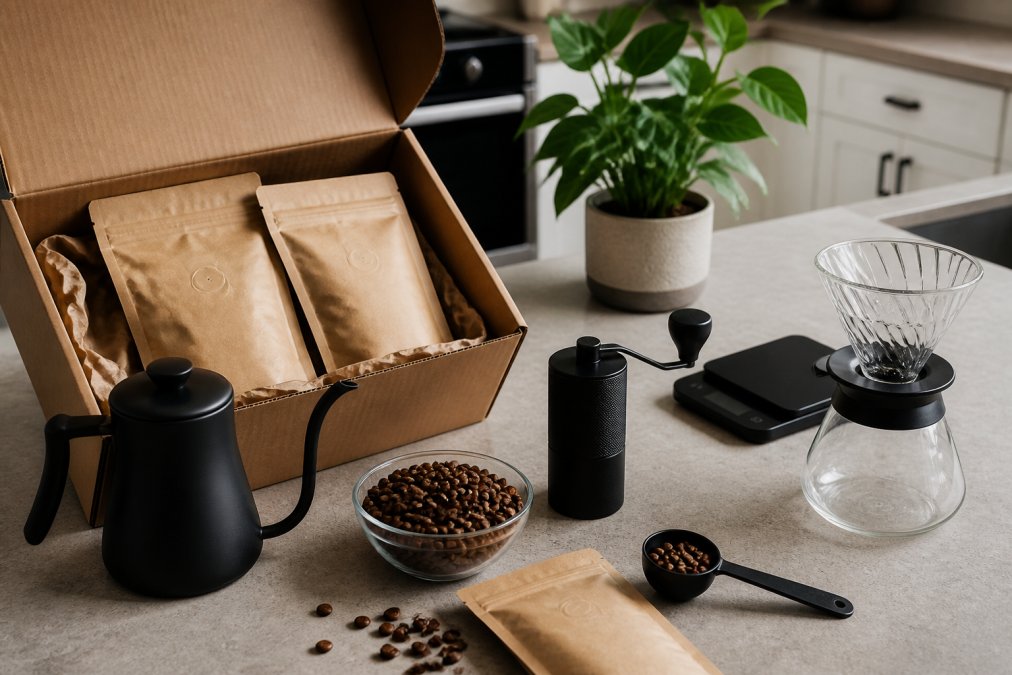
Best Coffee Subscription for Home Baristas: 2026 Guide
Table of Contents
- What Home Baristas Should Look For in a Coffee Subscription
- Quick Comparison: Top Picks at a Glance
- The Best Coffee Beans for Espresso: Matching Roast to Machine
- Coffee Subscription Frequency Guide: Dialing In Your Delivery Cadence
- Cost-Per-Cup and Storage: The Numbers Most Guides Skip
- Direct-to-Roaster vs. Aggregator: Which Model Fits Your Setup
- Common Mistakes Home Baristas Make With Coffee Subscriptions
- Conclusion
- Frequently Asked Questions
Last Updated: September 16, 2026
What Home Baristas Should Look For in a Coffee Subscription
The best coffee subscription for home baristas is one that ships within days of roasting, matches roast profile to your brew method, and gives you control over delivery cadence. Everything else is packaging. At Sexy Barista, we roast small batches in Miami and ship within 2-4 business days, because a bag that sat in a warehouse for three weeks will never pull a clean shot no matter how good the green coffee was.

Here's the part most guides skip: a coffee subscription is a freshness logistics service first and a flavor discovery service second. If the roast date on arrival is already two weeks old, you're paying specialty prices for stale beans.
Roast Date, Freshness, and Why They Decide Your Shots
Espresso is unforgiving. A roast-to-order bag hits its sweet spot roughly 4-14 days off roast for most medium profiles. Before that window, beans degas too aggressively and shots run gassy and inconsistent. After it, the crema thins and the flavor flattens.
Many home baristas blame their grind size or their machine when the real culprit is the calendar. Ask any subscription you're evaluating one question: what's the roast date on a typical delivery? If they can't answer clearly, walk away.
Single-Origin vs. Blends for Espresso
Single-origin coffee comes from one farm, region, or cooperative, while blends combine beans from multiple sources for consistency. For home baristas, single-origin offers sourcing transparency and a flavor profile you can actually trace. Blends win on repeatability, since a roaster can adjust the recipe to hit the same taste year-round.
For espresso specifically, single-origin medium roasts give you clarity: you taste the tasting notes instead of a wall of generic chocolate. A blend is the safer bet if you want the same shot every single morning. Neither is wrong. It depends on whether you're chasing discovery or dialing in a house standard.
Quick Comparison: Top Picks at a Glance
| Pick | Coffee | Roast | Best For | Price |
|---|---|---|---|---|
| Discovery Set | Mamiami, Cattivo, Loosey Goosey | Medium | Tasting all three origins | $64.99 |
| Discovery Trio | Mamiami, Cattivo, Loosey Goosey | Medium | Sampling without the cup | $49.99 |
| Mamiami | Colombian single-origin | Medium | Versatile espresso and pour-over | $22.00 |
| Cattivo | Guatemalan single-origin | Medium | Milk-based drinks | $22.00 |
| Loosey Goosey | Bali single-origin | Medium | Syrupy, low-acid espresso | $22.00 |
Subscribers save 20% on a first order and 10% on every recurring delivery, with free shipping on orders $60+. You can pause, skip, swap, or cancel at any time.

The Best Coffee Beans for Espresso: Matching Roast to Machine
The best coffee beans for espresso are medium roasts with a defined origin, because they extract evenly across the pressure range most home machines actually deliver. Light roasts demand precise temperature control and finer grind adjustment that entry-level machines struggle to hold. Dark roasts forgive sloppy technique but bury the origin character you're paying for.
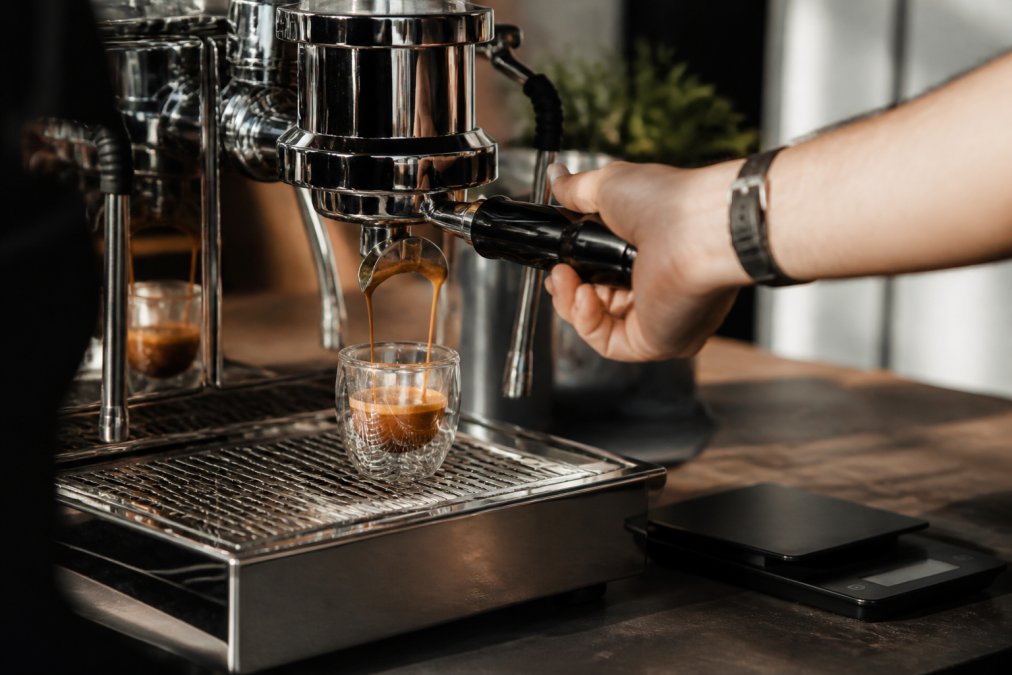
Match the bean to the machine, not the marketing:
- Pump machines under 15 bar: medium roast, 1:2 ratio, 25-30 seconds
- Dual boiler or PID machines: medium to light roast, experiment with 1:2.5 ratios
- Manual levers: darker medium roasts, longer pre-infusion
Cattivo, our Guatemalan medium roast from Huehuetenango, carries tangerine, golden raisin, and toffee notes with a creamy body that holds up under steamed milk. Loosey Goosey, from Bali, runs baker's chocolate, cedar, molasses, and vanilla with a syrupy body that suits a French press as easily as an espresso basket.

Coffee Subscription Frequency Guide: Dialing In Your Delivery Cadence
A coffee subscription frequency guide comes down to one calculation: how many grams do you brew per day, and how long does a bag actually last? Most home setups burn through a 360 g (12.7 oz) bag in 10-14 days with one or two drinks daily. Match your delivery cadence to that number and you'll rarely have stale beans or a bare shelf.
Start with the math, not the menu. A standard double shot uses 18 g of coffee. A 12 oz drip cup uses roughly 20-22 g at a 1:16 ratio. So a 360 g bag yields about 18-20 double shots or 16-18 drip cups. If you pull two doubles every morning, that bag is gone in nine days, not two weeks. Run the numbers for your own routine before you pick an interval.
Here's the practical breakdown by consumption pattern:
- One drip cup per day: every 3-4 weeks
- One double shot per day: every 3 weeks
- Two drinks per day (mixed espresso and drip): every 2 weeks
- Two doubles per day: every 10-12 days
- Two drinks plus weekend guests: weekly or biweekly
- Espresso only, single shot: every 4-6 weeks
Bag size changes everything.
Cost-Per-Cup and Storage: The Numbers Most Guides Skip
Cost-per-cup is the only price comparison that matters, and almost no subscription guide does the math with shipping included. A $22 bag of 360 g coffee yields roughly 18-20 double shots at 18 g per dose, which lands near $1.10-$1.20 per shot before milk. Add a $6 flat-rate shipping charge on a single-bag order and that same shot jumps to about $1.40-$1.50.
Run the comparison this way:
-
Per-bag price ÷ grams per bag gives you cost per gram.
-
Cost per gram × 18 g gives you cost per double shot.
-
Add shipping ÷ shots per order to get the true landed cost per shot.
-
Compare that landed number, not the bag price, across subscriptions.
-
Keep beans in the original bag's one-way valve, or a sealed opaque container
-
Store at room temperature, never the fridge
-
Freeze only in single-use portions, and never refreeze
-
Grind immediately before brewing, always
Direct-to-Roaster vs. Aggregator: Which Model Fits Your Setup
Direct-to-roaster means you buy from the company that actually roasts your beans. An aggregator curates from multiple roasters and ships on their behalf. The trade-off is control versus variety.
Common Mistakes Home Baristas Make With Coffee Subscriptions
The biggest mistake is subscribing before checking roast dates, then blaming the machine when shots taste flat. A close second: changing grind, dose, and ratio all at once, which makes it impossible to know what fixed the problem.
Other repeat offenders:
- Choosing a subscription for packaging instead of roast-to-order freshness
- Locking into a rigid cadence with no pause or skip option
- Storing beans in the fridge or a clear countertop jar
- Buying pre-ground for espresso, where grind adjustment is the whole game
- Ignoring caffeine content and roast level when dialing in milk drinks
Conclusion
Finding the right coffee subscription for home baristas comes down to freshness, roast fit, and flexibility, and most services only deliver two of the three. Sexy Barista roasts small batches in Miami, ships within 2-4 business days, and offers single-origins from Colombia, Guatemala, and Bali built for espresso and milk-based drinks. Subscribers save 20% on a first order, 10% on every recurring delivery, and get free shipping on orders $60+, with pause, skip, swap, and cancel controls built in.
Frequently Asked Questions
What should home baristas look for in a coffee subscription?
Prioritize roast-to-order freshness, whole bean options, and roast profiles suited to your brew method. For espresso, look for medium roasts with clear tasting notes and a stated roast date on the bag. Also check subscription frequency flexibility, pause and skip options, and whether the roaster ships within a few days of roasting. These details matter more than branding or packaging.
Is a coffee subscription worth it for espresso drinkers?
Yes, if the beans arrive fresh and match your machine. Espresso extraction is unforgiving of stale coffee, so a subscription that ships within 2-4 business days of roasting keeps your shots consistent. It also removes the guesswork of hunting for fresh single-origin beans locally. Cost-per-cup usually lands lower than cafe espresso once you account for the 18-20 gram dose per double shot.
How do I choose between single-origin and blends for my home espresso machine?
Single-origin coffees highlight a specific region's flavor profile, such as the citrus and brown sugar notes in a Colombian medium roast, while blends aim for balance and consistency. For home baristas, single-origin medium roasts often pull cleaner, sweeter shots once you dial in grind size. Blends can be more forgiving if you are still learning to adjust your grinder.
What is the difference between a roaster-direct subscription and a multi-roaster service?
A roaster-direct subscription ships beans from one roaster, so you get consistent roast profiles and a relationship with the source. A multi-roaster service rotates beans from several roasters, which suits discovery but makes dialing in espresso harder because each bag behaves differently. Home baristas who want repeatable shots usually prefer roaster-direct for its consistency.
How does bean freshness impact home espresso extraction?
Freshly roasted beans release carbon dioxide for the first several days, which affects how water moves through the puck. Beans rested 5-14 days after roast tend to pull the most balanced shots. After roughly four to six weeks, flavors flatten and extraction becomes inconsistent. A subscription with a clear roast date and fast shipping keeps you inside that window.


Leave a comment
This site is protected by hCaptcha and the hCaptcha Privacy Policy and Terms of Service apply.