
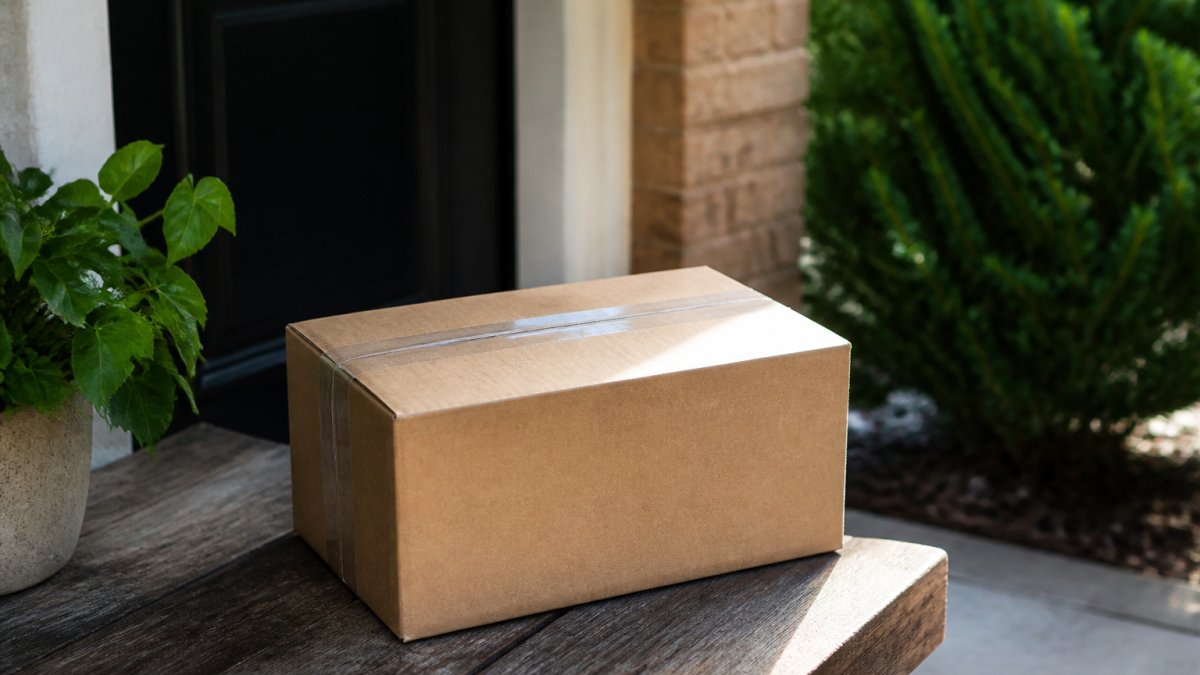
Fresh Roasted Coffee Delivery Timeline: What to Expect
Table of Contents
- The Fresh Roasted Coffee Delivery Timeline: Order to Doorstep
- Freshly Roasted Coffee Shipping Time: What Affects Your Wait
- How to Calculate Your Expected Delivery Date
- Coffee Roast Date vs Expiration Date: Reading the Labels
- The Best Time to Brew Coffee After Roasting
- How to Store Whole Bean Coffee for Maximum Freshness
- What to Do When Your Coffee Order Is Delayed
- Frequently Asked Questions
Last Updated: October 13, 2026
The Fresh Roasted Coffee Delivery Timeline: Order to Doorstep
A fresh roasted coffee delivery timeline is the number of days between placing your order and your beans arriving, and for most small-batch roasters it runs about three to seven business days. The clock starts at roasting, not shipping. That distinction matters more than most buyers realize.
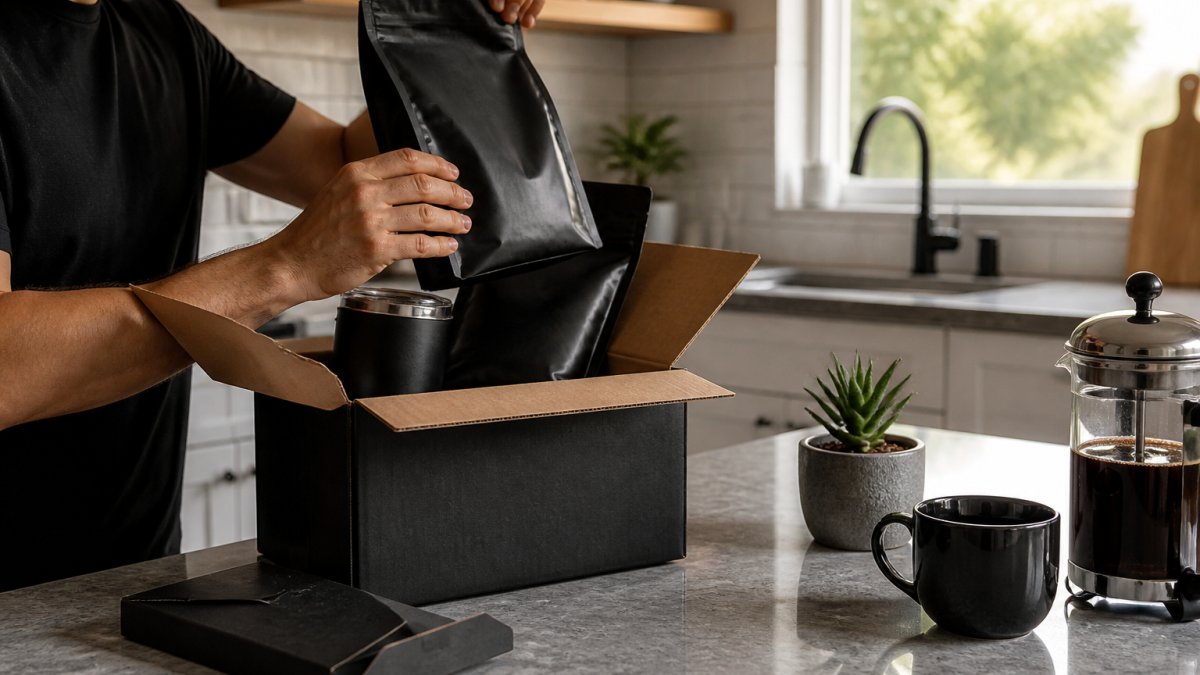
At Sexy Barista, we roast in small batches, so your bag is rarely sitting on a shelf waiting for a label. Below, we break down each stage of the journey, from order placement to the moment you tear open the box.
Why the Clock Starts at Roasting, Not Shipping
Shipping speed gets all the attention. Roast timing decides how fresh the coffee actually tastes when it lands.
Coffee begins losing its best flavors within days of roasting, mainly through exposure to oxygen. The Specialty Coffee Association's freshness guidance notes that roasted coffee is at its peak in the first few weeks, then fades. A bag roasted Monday and shipped Friday arrives three days older than one roasted Thursday and shipped Friday.
So when you compare delivery estimates, ask a better question: how many days after roasting will the box reach you?
Freshly Roasted Coffee Shipping Time: What Affects Your Wait
Freshly roasted coffee shipping time depends on four things: roast days, order processing, carrier transit, and where you live. Each one adds days to the total.
Here is how the stages stack up:
| Stage | Typical Time | What Slows It Down |
|---|---|---|
| Order processing | 1-2 business days | Weekend or holiday orders |
| Roasting | 0-2 days | Roast-day schedule |
| Handoff to carrier | Same or next day | Cutoff times |
| Transit | 2-5 business days | Distance, weather, peak season |
Distance is the biggest variable. A package traveling across the country spends more days in transit than one going a few states over. Remote areas can add a day or two on top.
How to Calculate Your Expected Delivery Date
To estimate your delivery date, add processing days, roast days, and transit days, then skip weekends and federal holidays. Most orders land in three to seven business days, but the exact date depends on when you order relative to the roaster's cutoff and roast schedule.
Here is the formula in plain terms:
Delivery date = order date + processing days + roast days + transit days + non-business days
Walk through a real calendar example. Suppose you order on a Wednesday at 9 a.m., the roaster's cutoff is 10 a.m. that day, roast days are Monday and Thursday, and transit to your address runs four business days:
- Wednesday: Order placed before cutoff. Processing begins same day.
- Thursday: Beans roast on the scheduled roast day.
- Friday: Handoff to carrier; first transit scan.
- Saturday-Sunday: No transit movement on most services.
- Monday-Thursday: Four business days of transit.
- Arrival: The following Thursday.
Total: eight calendar days, six business days. If you had ordered Wednesday at 11 a.m., after cutoff, the beans would wait until the next roast day, pushing arrival to Friday or the following Monday.
Roast Days, Cutoff Times, Weekends, and Holidays
Roast days are the scheduled days a roaster fires up the drum. If you order after the cutoff, your beans wait for the next roast day. Cutoff times usually fall in the morning, often between 8 a.m. and noon in the roaster's time zone.
Weekends and federal holidays pause both roasting and transit. A Friday afternoon order can sit until Monday before anything moves. Around Thanksgiving, Christmas, and New Year's, add one to two extra business days on top of your estimate because carriers slow down and roasters often shift schedules.
A simple rule: count business days, not calendar days, and check the roaster's posted roast schedule before you order. That single habit fixes most "where is my coffee" surprises.
A Quick Estimator You Can Do in Your Head
If you do not want to map a calendar, use this shortcut:
- Start with the order day.
- Add one day for processing.
- Add one to two days for roasting.
- Add two to five days for transit, based on distance.
- Add one day for each weekend or federal holiday the window crosses.
The result is your realistic arrival window. A local order can land in three business days; a cross-country order with a weekend in the middle often takes seven to nine.
Coffee Roast Date vs Expiration Date: Reading the Labels
The roast date tells you when the beans were roasted. The expiration date tells you the last day the roaster considers them sellable. They are not the same thing.
A roast date is the freshness marker you actually want. An expiration date is often set months out and says little about peak flavor. When you can find both, trust the roast date.
Here is how to read a label fast:
- Roast date: your freshness anchor. Closer to today is better.
- Best-by or expiration date: a safety window, not a flavor peak.
- No date at all: a red flag for a fresh roasted coffee order.
The Best Time to Brew Coffee After Roasting
The best time to brew coffee after roasting is roughly three to fourteen days out. This is the resting period, when beans release trapped carbon dioxide in a process called degassing.
Brew too soon and the escaping gas disrupts extraction, giving you uneven or flat cups. Wait a few days and the flavors settle into place. Light roasts often need a little more rest than dark roasts, which degas faster.
For espresso, a short rest of several days helps shots pull more consistently. For pour-over and drip, a similar window works well. This is why a roast-to-delivery timeline that lands your beans a few days off-roast is ideal: they arrive ready to brew.
How to Store Whole Bean Coffee for Maximum Freshness
To store whole bean coffee, keep it in an airtight container away from light, heat, and moisture. Whole beans hold their flavor longer than ground coffee because less surface area is exposed to air.
Do this:
- Keep beans in an opaque, airtight container
- Store at room temperature, not in the fridge
- Buy whole bean and grind just before brewing
- Keep the bag sealed and squeeze out excess air
- Buy in amounts you will finish within a few weeks
The freezer can work for longer storage if the container is truly airtight. Otherwise, moisture and odors creep in and dull the cup.
Sexy Barista roasts in small batches, so a bag of Cattivo, our medium-roast Guatemalan with tangerine and toffee notes, tends to arrive close to its roast date rather than weeks past it.

What to Do When Your Coffee Order Is Delayed
When a coffee order is delayed, check the tracking first, then contact the roaster with your order number. Most delays are transit issues, not roasting ones. But the more important question is what a delay means for the coffee itself, and that answer lives on the roast date, not the tracking page.
Work through it in order:
- Open the shipment tracking and look at the last scan.
- Give it one extra business day past the estimate.
- Contact the roaster if tracking has not updated in two days.
- Ask for a replacement or refund if the package is lost.
Carriers like USPS and other services sometimes stall in peak season or bad weather. A good roaster will make it right.
How to Judge Freshness When a Bag Arrives Late
A delay does not automatically mean stale coffee. What matters is the gap between the roast date and the day the bag reaches you.
- Roast date within seven days of arrival: Ideal. The beans are still in or near their peak window.
- Roast date eight to fourteen days before arrival: Still good. Flavor is settling but not fading.
- Roast date fifteen to twenty-one days before arrival: Drinkable, but brew it soon and expect a flatter cup.
- Roast date more than three weeks before arrival: Contact the roaster. For a fresh roasted coffee order, that gap is a problem.
If the bag has no roast date at all, you cannot judge freshness. Ask the roaster when it was roasted before you brew. A roaster who cannot answer that question is telling you something.
Adjusting Your Brew After a Late Arrival
A late bag has already rested longer than planned, so the usual resting advice flips. If the coffee arrives more than two weeks off-roast, brew it right away rather than waiting. The degassing window has largely passed, and further rest will only dull the cup.
For espresso, older beans often need a finer grind and a slightly longer shot to compensate for lost resistance. For pour-over and drip, expect a faster drawdown and adjust your grind coarser if the cup tastes thin or hollow.
Frequently Asked Questions
How long does fresh-roasted coffee take to ship?
Most specialty roasters process and ship orders within 2 to 4 business days after roasting. Transit time then depends on your location and chosen carrier, typically adding 2 to 5 business days. Sexy Barista roasts in small batches in Miami and ships within 2 to 4 business days, so your coffee arrives fresh and ready to rest before brewing.
How soon after roasting should you brew coffee?
Wait 3 to 7 days after the roast date before brewing. During this resting period, coffee degasses carbon dioxide, which otherwise disrupts water flow and creates uneven extraction. For espresso, 5 to 10 days off-roast often delivers the sweetest, most balanced shots. For pour-over or drip, 4 to 7 days works well. Check the roast date on the bag and count forward.
How can you tell when coffee was roasted?
Look for a printed roast date on the bag, not just a best-by date. Roast dates tell you exactly how many days off-roast the beans are, which is the key freshness marker. If a bag only shows an expiration date, assume it was roasted months earlier. Sexy Barista prints roast dates so you know precisely when your coffee was roasted.
What is the best way to store freshly roasted coffee?
Keep whole beans in an airtight, opaque container at room temperature, away from light, heat, and moisture. Do not refrigerate or freeze unless you seal portions tightly for long-term storage. Grind just before brewing to preserve aroma and oils. Properly stored whole bean coffee stays at its best for 2 to 4 weeks after the roast date.

Leave a comment
This site is protected by hCaptcha and the hCaptcha Privacy Policy and Terms of Service apply.